


Piano Hotwave
4.241.00 Reviews
App Specs
- Version
- 1.4.0
- Updated On
- License
- Free
- Downloads
- 1,000,000+
- Developer
- Clingycat Games
- Categories
- Music
- Platform
- Android
Screenshots
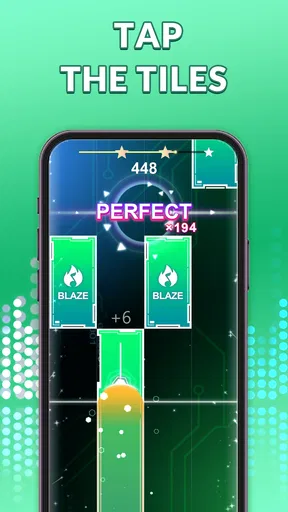
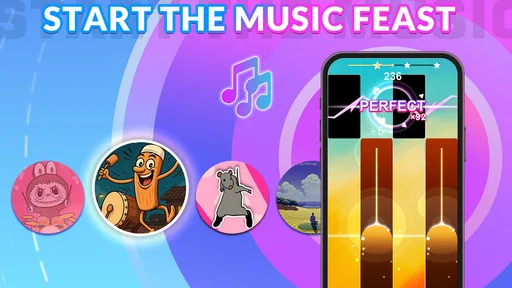
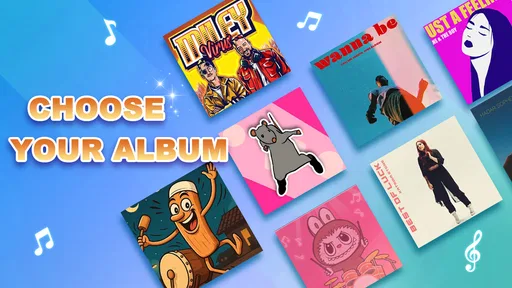
 Analysis by AppCompare
Hey there, music lovers! 🎵 If you're itching to tickle the ivories without shelling out for an actual piano, you're in for a treat with Piano Storm: Unleash the Beat. This app is your ticket to a world of music-making fun, right from your smartphone. Whether you're a seasoned pianist or a newbie just looking to jam, this app has something for everyone. Let's dive into what makes this app a must-try!
Before you start tapping
As a phone-based music game, Piano Storm is best approached with modest expectations: it can make a spare moment feel musical, but it is not a replacement for a full-size keyboard or structured piano lessons. I would reach for it when I want a quick rhythm-focused session, not when I need to practise hand position, build proper technique, or hear how an acoustic instrument responds.
A useful first check is simply whether your device feels comfortable for repeated tapping. A phone is portable, but its screen gives your fingers far less room than a keyboard, and a case with a raised edge can make the outer keys awkward to reach. I’d try a short session with the phone resting on a steady surface before settling into a longer one; that helps separate a genuine control issue from an uncomfortable grip or cramped posture.
It also helps to decide what you want from a session before opening the game. If your goal is a brief musical distraction, a compact screen and touch controls are part of the appeal. If you want to learn a song from notation or practise with two hands on a physical keyboard, a dedicated lesson app or an instrument will be a better fit. That distinction prevents the game from being judged against a job it was not designed to do.
Getting Started with Piano Storm
First things first, downloading Piano Storm: Unleash the Beat is a breeze. Available on both Android and iOS, it’s super easy to get it up and running. Once installed, you'll be greeted by a sleek, user-friendly interface that's as inviting as a cozy music studio. The app does a fantastic job of guiding you through the initial setup, ensuring you're ready to start playing in no time.
Features That Strike a Chord
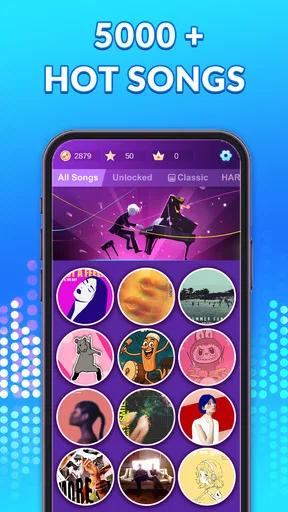
What sets Piano Storm apart is its impressive range of features. The app offers a wide selection of songs and tutorials, catering to all skill levels. From classical to pop, there's a little something for everyone. The interactive tutorials are a standout, breaking down complex pieces into manageable segments. This makes learning new songs feel less like a chore and more like an exciting challenge.
Another cool feature is the app’s ability to adapt to your pace. It’s like having a personal piano teacher who’s always patient and never loses their cool. Whether you’re tackling Beethoven or Billie Eilish, the app provides instant feedback, helping you improve your skills with each session.
Worth Reading Before You Choose

EA SPORTS FC Mobile 26 Is a Bigger Football Game, but It Takes Time

Flipboard Shows What News Apps Must Do Beyond the Feed

Switching to Android Auto Means Rethinking Your Driving Routine

Google Calendar Makes a Crowded Week Easier to Manage

Ludo King Makes the Most of the Minutes Between Plans

Baby Panda World Brings Quick Play to Modern Phones, but Its Game Library Feels Busy
A low-pressure place to begin
For someone brand new to piano-style games, I’d treat each guided attempt as a chance to learn the timing and layout rather than a test of musical talent. Start with a piece that feels manageable, then repeat a small section until the sequence becomes familiar. This is more useful than rushing through a difficult song and leaving unsure whether the problem was speed, timing, or simply not knowing where to tap.
That approach also suits casual players who already know a little music but do not have an instrument nearby. A short session can keep a tune fresh in your mind or offer a light change of pace during a break. It is less useful as deliberate practice for a recital: touch-screen play does not build the same finger strength or physical coordination as practising on piano keys.
Jam Out Anytime, Anywhere
One of the things I love about Piano Storm is its portability. You don’t need a grand piano to make beautiful music. Whether you’re on the bus, chilling at home, or taking a break at work, you can whip out your phone and lose yourself in the music. It's a great way to unwind and let your creativity flow.
In everyday use, I’d choose the setting carefully. A quiet break at home or a relaxed wait before an appointment is a natural fit; trying to focus while walking, talking, or sitting somewhere noisy is not. The game asks for attention to the screen and timing, so a stable place and a few uninterrupted minutes make the experience more enjoyable. Headphones can help in a shared space if the device’s sound would bother people nearby, though they cannot solve distractions around you.
For a small practical test, play the same short passage once when you are relaxed and once when you are rushing. If the second attempt falls apart, that may be a sign to use the game as a calm break rather than another task to squeeze into a busy moment. Rhythm games are more satisfying when you can concentrate enough to notice what your fingers are doing.
Community and Competition
Music is more fun when shared, right? Piano Storm has a vibrant community aspect where you can connect with fellow music enthusiasts. You can share your performances, get feedback, and even compete in friendly contests. It’s a fantastic way to stay motivated and see how you stack up against other players worldwide.
Social play can be a helpful reason to return, especially if a friendly challenge gives you a clear goal. I would still treat other players’ results as motivation rather than a measure of musical ability: a game score reflects performance under the game’s conditions, not how expressive or accomplished someone is at a real piano. If competition makes a casual pastime stressful, there is no need to make every session about comparison; enjoying a song at your own pace is a perfectly reasonable way to play.
Design and Usability
The app's design is not just aesthetically pleasing but also highly functional. Navigation is intuitive, so you won’t find yourself lost in a sea of options. The touch response is spot-on, ensuring that your virtual piano sessions feel authentic. Plus, the app is consistently updated, ironing out any glitches to make sure your experience is smooth and enjoyable.
When a tap seems not to register, I’d troubleshoot in a simple order instead of assuming the game is at fault. First, make sure the screen is clean and your fingers are landing squarely on the intended area. Then try again with the phone on a flat surface, where hand movement is less likely to shift the device. If the issue only appears during a particular song or when the phone is busy with other tasks, closing background apps and restarting the game is a sensible general check; it does not guarantee a fix, but it can help distinguish a temporary slowdown from a consistent control problem.
If the game stops responding altogether, I’d close and reopen it before repeating a long session. If that does not help, checking that the installed game and the device’s operating system are current is a reasonable next step. The current version is 1.3.8, and the minimum Android requirement is 6.0; keeping compatibility in mind is especially useful when setting up an older phone. I would avoid repeatedly tapping through a frozen screen, since that makes it harder to tell whether the controls have recovered.
A useful recovery habit is to pause after a disrupted attempt and replay a short, familiar section rather than immediately returning to the hardest part. That gives you a simple reference: if the familiar passage responds normally, the earlier trouble may have been tied to concentration or device conditions; if it remains unreliable, restarting the game or trying again later is more sensible than grinding through frustration. This small reset can save time and keep a casual game from feeling like a chore.
When the phone, not the game, is getting in the way
Not every frustrating session points to a software problem. A cramped display, a slippery grip, interruptions, or a device that is already struggling with other tasks can all make precise tapping harder. I would test in a quieter setting with the phone supported before deciding whether the controls suit me. If the experience improves there, changing the setup may be enough; if it does not, the touch-screen format itself may simply not match your preferences.
Sound can also affect the feel of a music game. If the audio seems distracting or the session is difficult to follow, I’d check the device’s volume and general audio output before changing anything else. A noisy room can make timing feel less clear, while muted sound removes an important part of a music-focused experience. The practical fix may be moving to a calmer spot rather than treating every mismatch as a game fault.
People sometimes ask whether a phone game can teach piano in the same way as a teacher. I would not rely on this one for that purpose. Its guided play can help make musical interaction approachable, but it cannot provide the physical instruction, posture corrections, or instrument practice that a teacher or keyboard offers. If your main goal is to read music, develop technique, or prepare for formal lessons, use it as a side activity at most.
Room for Improvement
While Piano Storm is impressive, there's always room for improvement. Some users have noted that the song library could be more extensive. Although it covers a wide range of genres, adding more contemporary hits could broaden its appeal even further. Additionally, while the free version offers plenty of features, unlocking some premium content requires a subscription, which might not be ideal for everyone.
Before spending, I’d first play enough of the free content to decide whether the basic rhythm and touch controls are enjoyable. The game is free to install, but it includes in-app purchases ranging from $7.99 to $12.99 per item, so I would treat paid content as optional rather than necessary for trying it out. That is a useful distinction if you are only curious, or if you are choosing a game for a younger player: the Everyone age rating describes the content classification, while purchase choices still deserve an adult’s attention.
It also helps to compare like with like. Against a conventional piano-learning app, Piano Storm sounds more like a game-first option: its appeal is quick interaction and a playful reason to revisit songs, while a lesson-focused alternative is better for progressive instruction and keyboard skills. Against a physical piano, there is no contest for touch, dynamics, or technique, but a phone game wins on convenience and the ability to play without carrying an instrument. I’d choose based on the outcome I actually want, not on which option claims to do everything.
The game is likely to suit music fans who enjoy short challenges, beginners who want a low-pressure introduction to tapping along, and experienced players looking for a casual diversion. I’d skip it if I needed a serious piano curriculum, wanted to practise on full-size keys, or found screen-based timing games tiring. Its average rating is 4.3 from around 1,300 ratings, and it has passed one million installs, which suggests it has found an audience without making it the right fit for every player. Clingycat Games is the developer, and the game was released on June 26, 2025.
For a realistic routine, I’d use it during a quiet ten-minute break: choose a song that feels approachable, focus on one short section, and stop when the session stops being fun. If a challenge is frustrating, lower the ambition rather than treating a missed run as a verdict on your musical ability. That keeps the game in its strongest role—as an accessible, phone-sized music pastime—rather than asking it to replace lessons or an instrument.
Despite these minor hiccups, the overall experience is overwhelmingly positive. The app's strengths far outweigh its weaknesses, making it a valuable tool for anyone looking to learn or perfect their piano skills.
So, if you're ready to unleash your inner musician, give Piano Storm a whirl. It’s a harmonious blend of fun and functionality, perfect for those looking to dive into the world of music. Happy playing! 🎹
Pros
- Intuitive interface for easy navigation.
- Wide variety of songs to choose from.
- Adjustable difficulty levels.
- Offline mode available for practice.
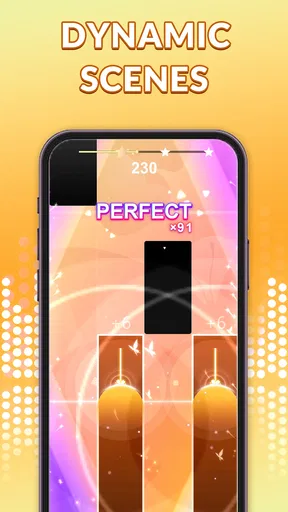
- Customizable themes enhance experience.
Cons
- In-app purchases can be expensive.
- Limited free song options.
- Occasional ads interrupt gameplay.
- Requires significant storage space.
- No multiplayer or social features.
FAQs for Piano Hotwave
What is Piano Storm: Unleash the Beat?
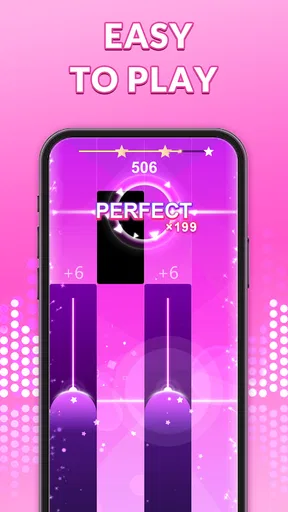
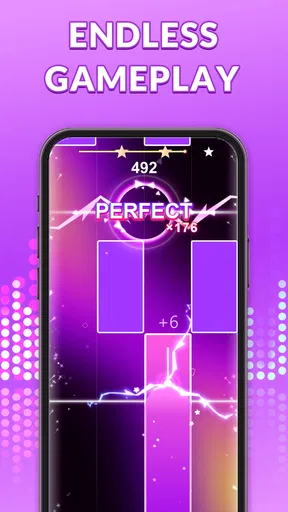
Piano Storm: Unleash the Beat is an engaging music game that challenges players to follow along with popular tunes by tapping the correct keys on a virtual piano. It offers a variety of songs across multiple genres, providing hours of entertainment and helping users improve their musical skills.
Is Piano Storm suitable for beginners?
Absolutely! Piano Storm is designed to cater to all skill levels, including beginners. The app includes a helpful tutorial mode that guides new players through the basics. Moreover, it offers adjustable difficulty levels, allowing users to start simple and gradually increase the challenge as they improve.
Does Piano Storm require an internet connection?
Piano Storm can be enjoyed both online and offline. While an internet connection is required to download new songs and updates, the game itself is fully playable offline, making it perfect for users who want to play on the go or without using data.
Are there in-app purchases in Piano Storm?
Yes, Piano Storm offers in-app purchases. While the app provides a selection of free songs, additional tracks and special features can be purchased. These options enhance the gaming experience but are not necessary to enjoy the core features of the app.
How does Piano Storm handle user privacy and data?
Piano Storm takes user privacy seriously. The app collects minimal data, primarily for improving user experience and performance. All data is encrypted and securely stored. Users can review the privacy policy within the app or on the official website for more detailed information on data handling practices.


